National Mensa
Gifted Youth Programs

Mensa Gifted Youth programs and activities vary from country to country, but their overall aim is to provide occasions for gifted children and young people to get together, make friends, learn new things and challenge themselves, all the while being supported by instructors and counsellors who have been trained in the field of gifted education.

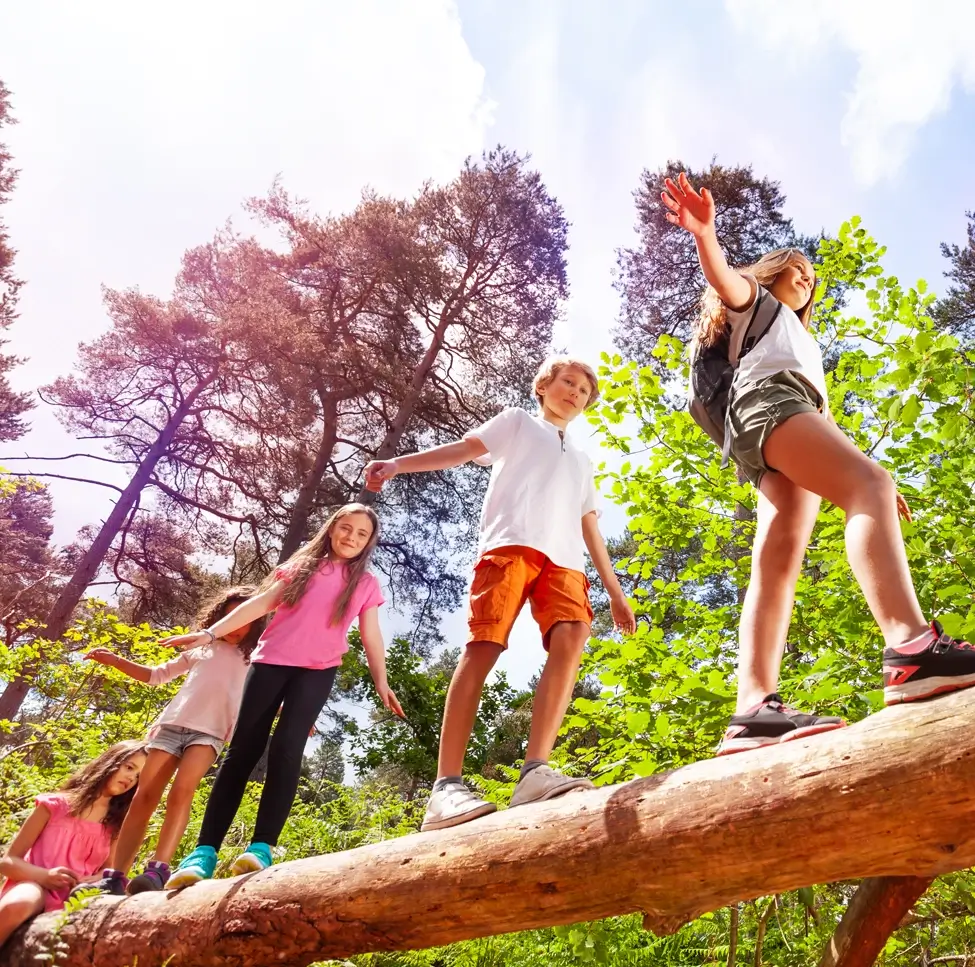



Mensa Gifted Youth Events and Gatherings
Mensa Gifted Youth events and gatherings around the world include day trips, weekend excursions, and summer camps. There are even Mensa family camps at which younger children can be accompanied by their parents and siblings.
So, what kind of things do the children and young people do at these events and gatherings? From algebra to abseiling, painting to puzzle-solving, robotics to running, and barbecues to biology, participants have a wealth of opportunities to challenge themselves, get creative and, well, just have fun!
Dedicated Teachers
Needless to say, these programs would not be possible without the efforts of dedicated teachers with an interest in or specialist knowledge of gifted education.
These professionals often visit regular schools with the aim of helping their fellow educators recognise gifted qualities in their students, so that they can act on these signs and support them to develop their abilities.
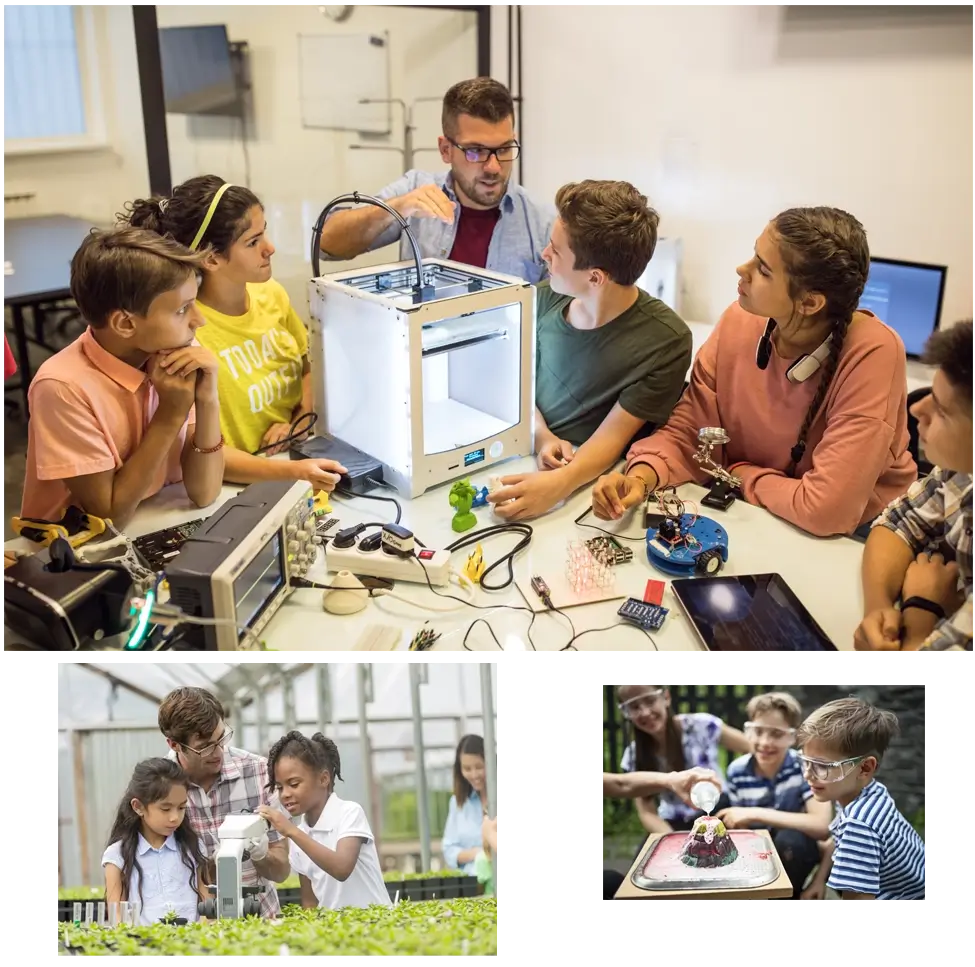
Inspiring examples of the work being done around the Mensa world to identify and nurture giftedness in children and young people can be found below.
Mensa Greece
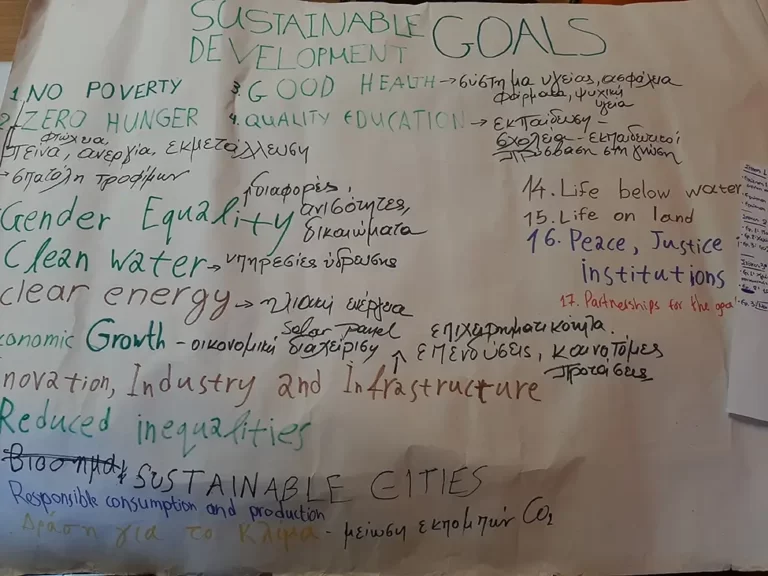
Mensa Greece boasts a number of exceptional giftedness educators. Despoina Korentini leads the “Gifted & Growth Mindset” programs in Athens, facilitating students’ critical, synthetic, and creative thinking by focusing on contemporary social and scientific issues, and referencing Sustainable Development Goals.
Also in Athens, Ioannis Martikos teaches STEM and programming, using PHET Colorado and NASA’s Eyes simulations to engage students, alongside machine learning basics.
In Thessaloniki, Dora Koutsou emphasises inquiry-based learning, exploring a range of fascinating topics from nature’s cycles to dark matter mysteries.
Despoina Korentini
Despoina Korentini is an award-winning Gifted Educator at Mensa Greece. Here follows an overview of the giftedness education she provides for children and young people in Athens.
Mensa Greece Education Programs for Gifted Children
The gifted education programs at Mensa Greece are tailored towards children aged 4 to 17. These programs are designed to fulfil socio-emotional needs that are often unmet in traditional classrooms, and they aim to encourage students to experiment and explore their interests.
Curriculum & Focus
The educational programs of Mensa Greece run from October to June. They include projects aligned with the Sustainable Development Goals:
- Climate Action (Goal 13)
- Sustainable Cities and Communities (Goal 11)
- Quality Education (Goal 4)
Gifted & Growth Mindset Programs
Despoina leads the “Gifted & Growth Mindset” programs in Athens. In these programs, gifted students explore contemporary scientific and social issues. The programs, which reference the 17 Sustainable Development Goals, promote critical, synthetic, and creative thinking.
Projects and Participations
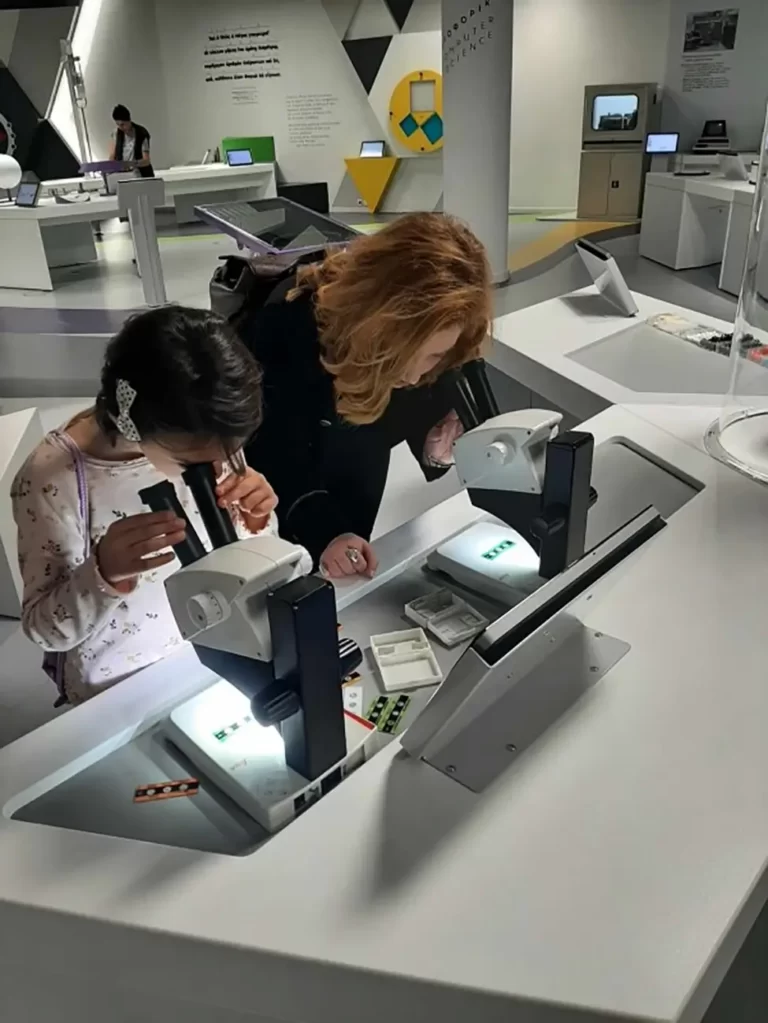
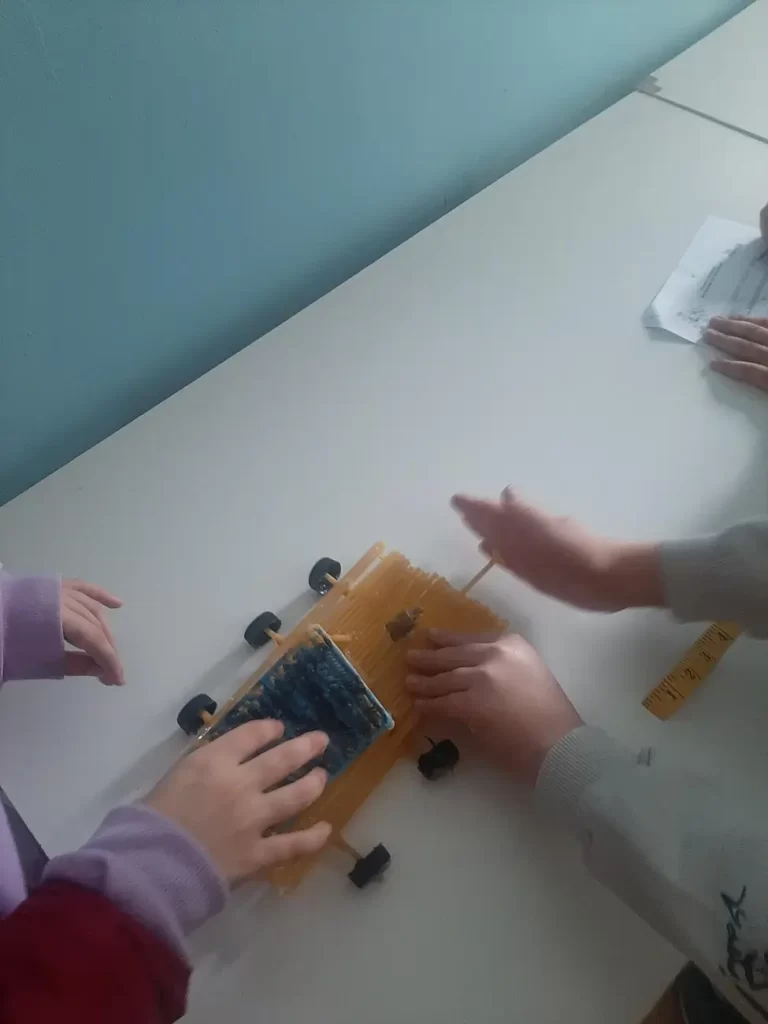
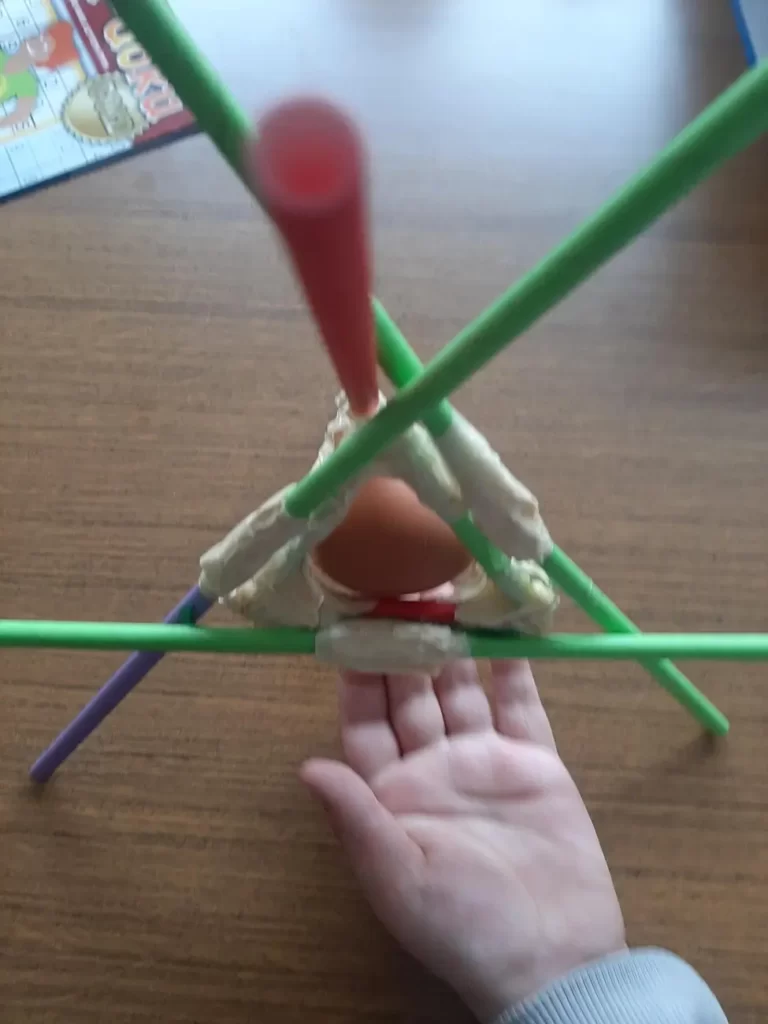
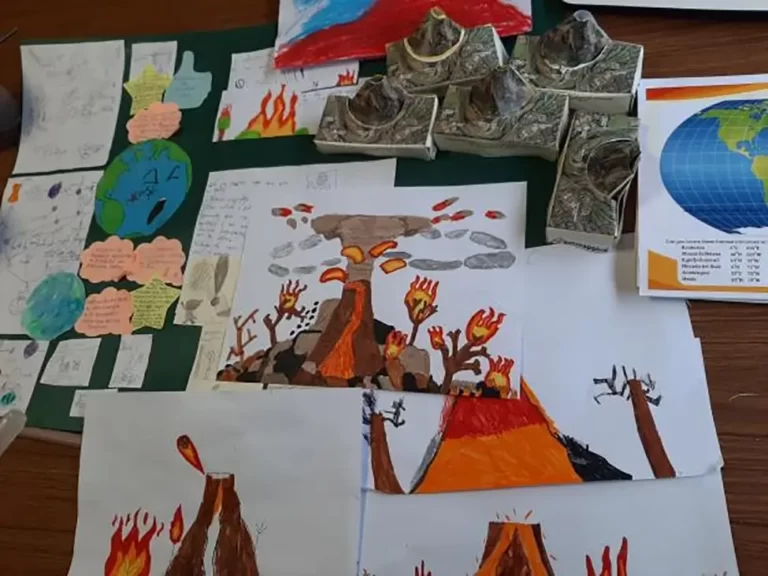
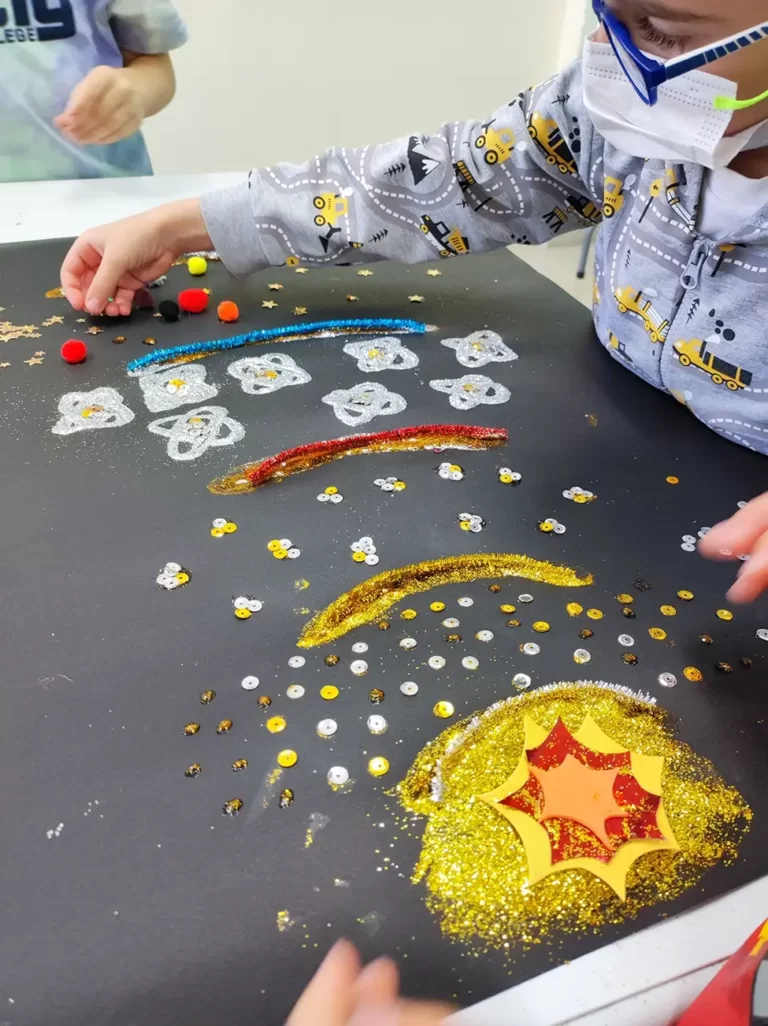
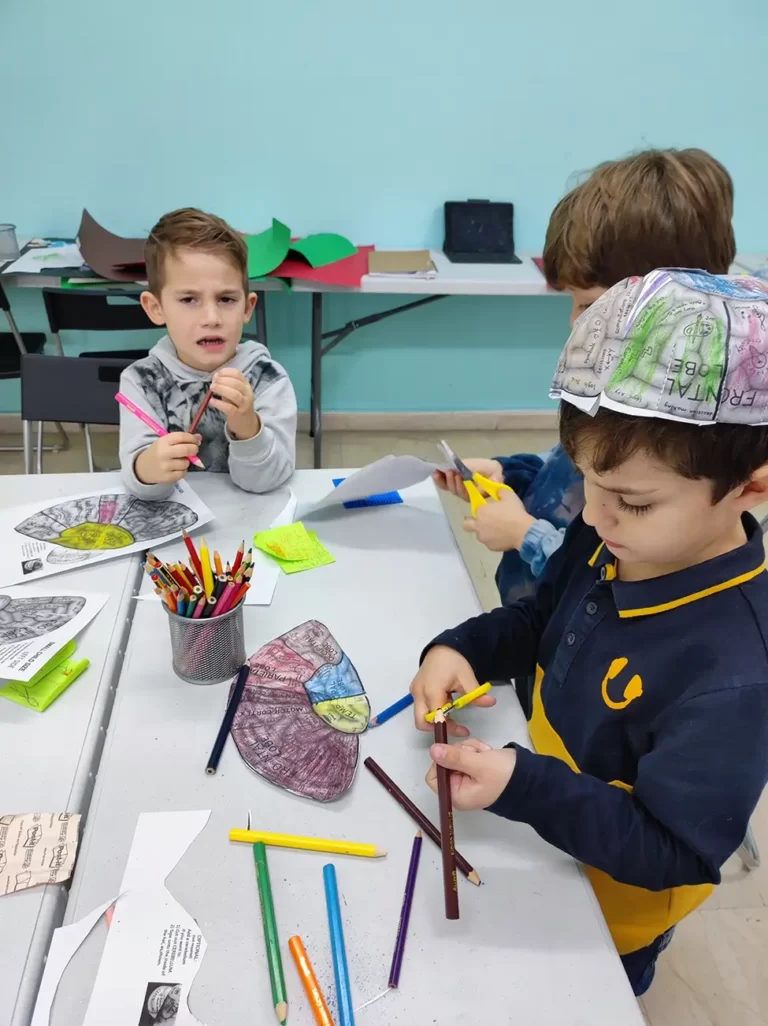
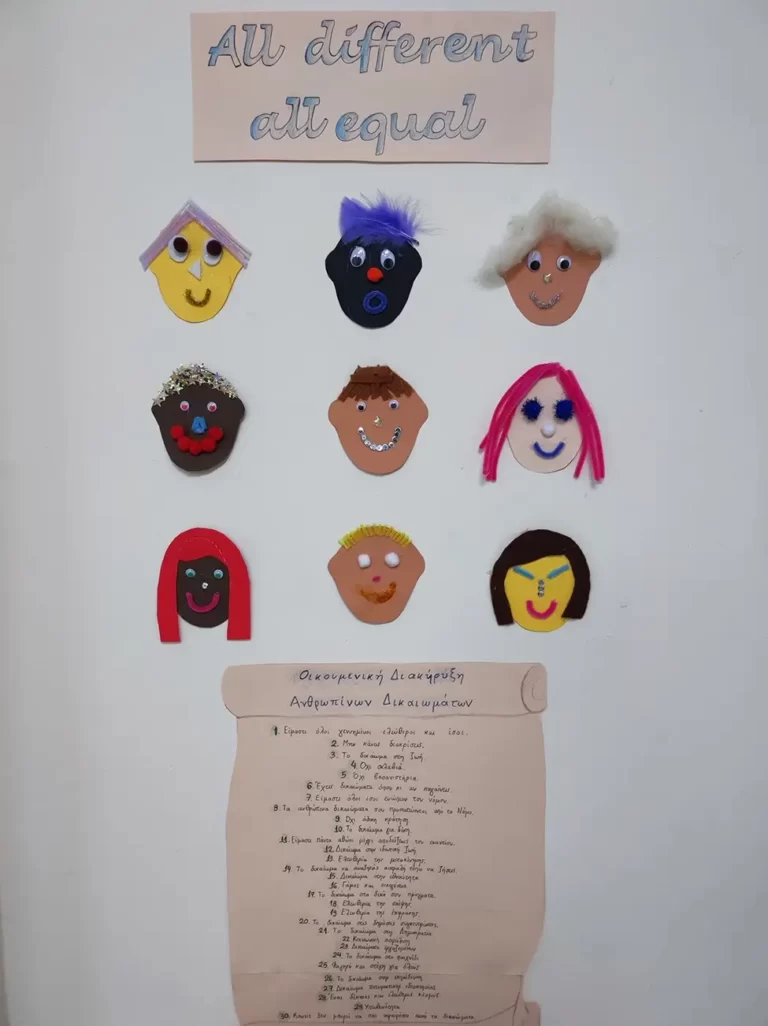
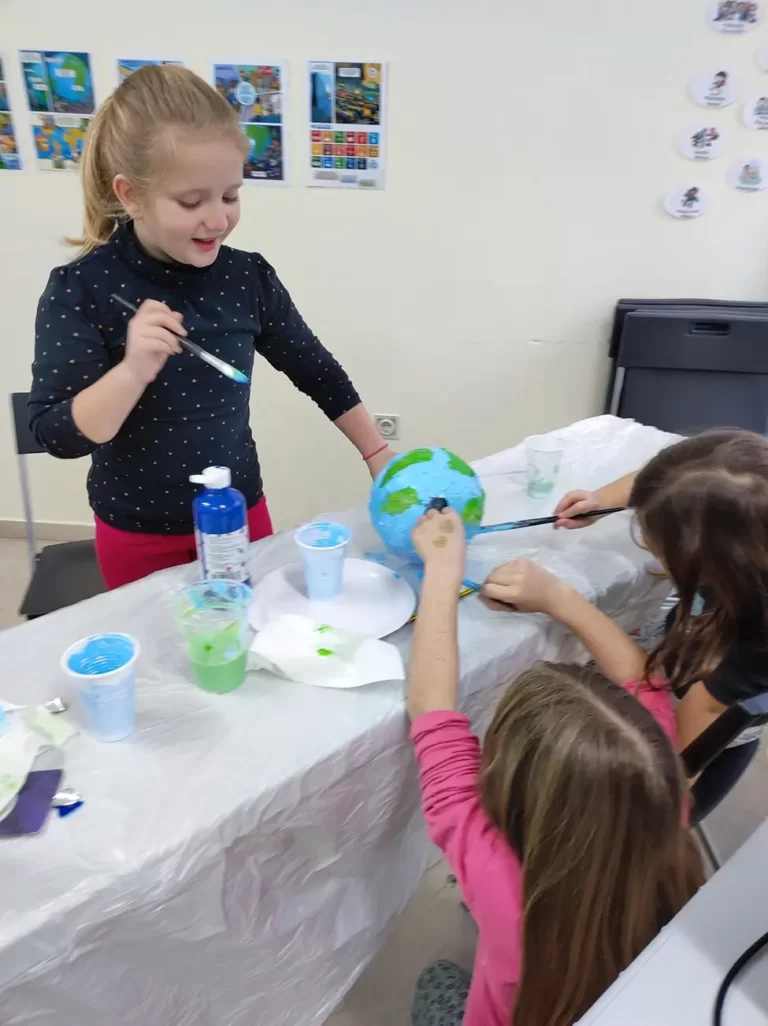
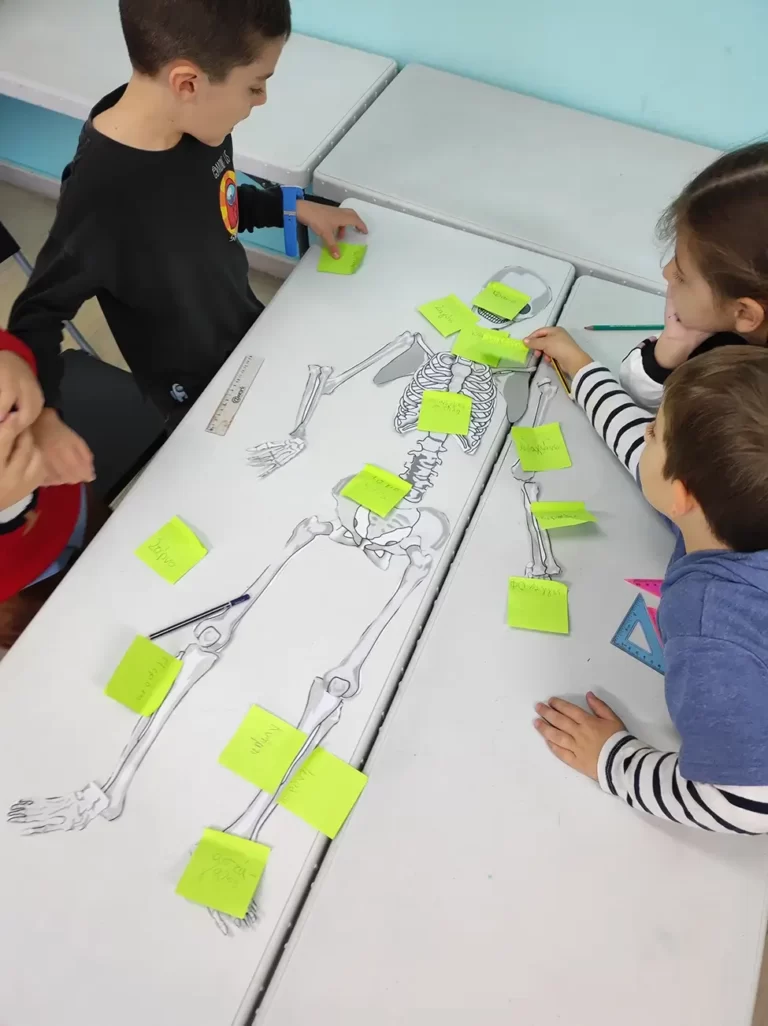
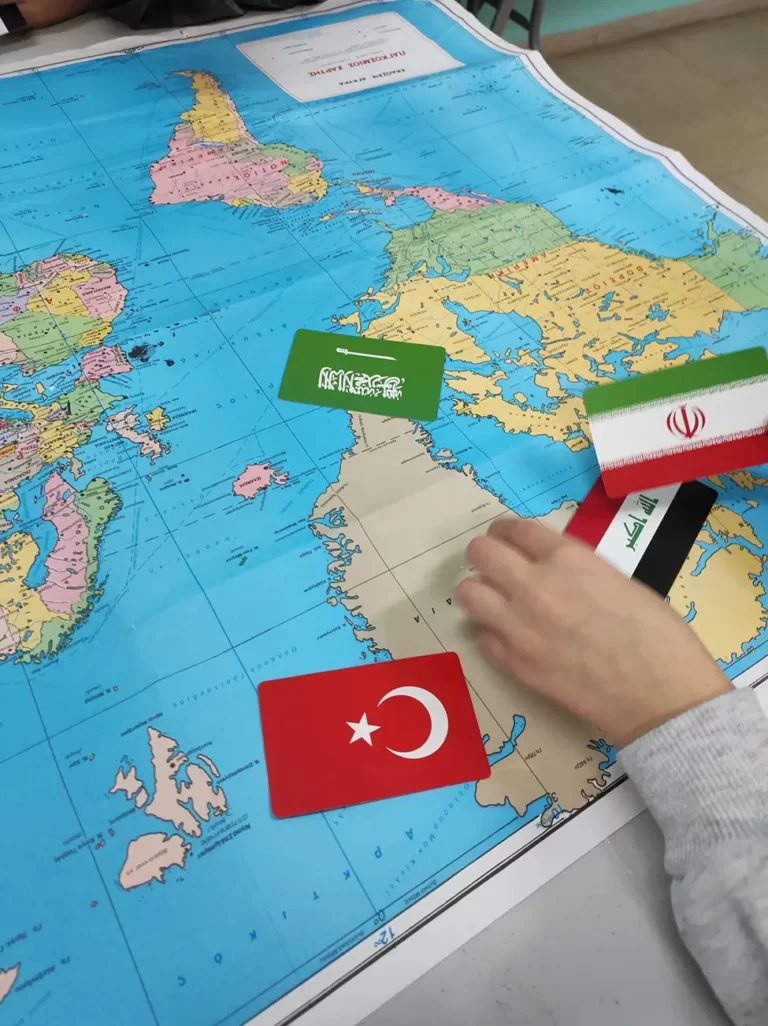
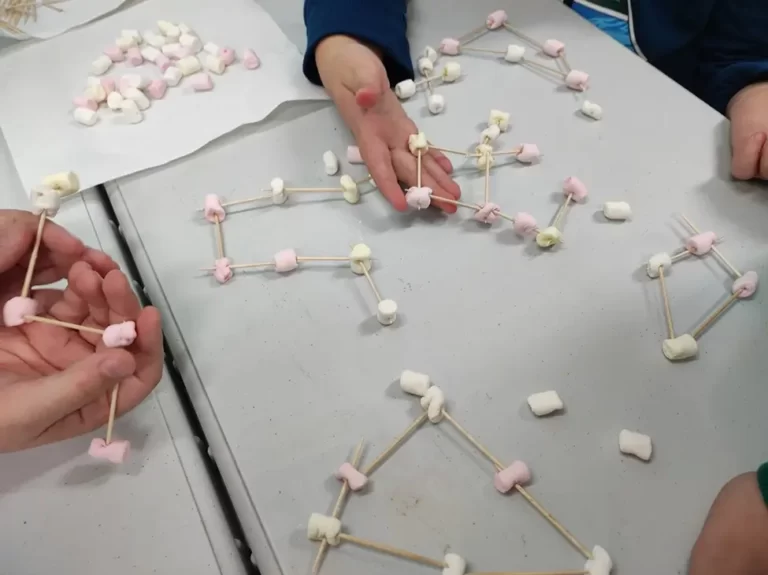
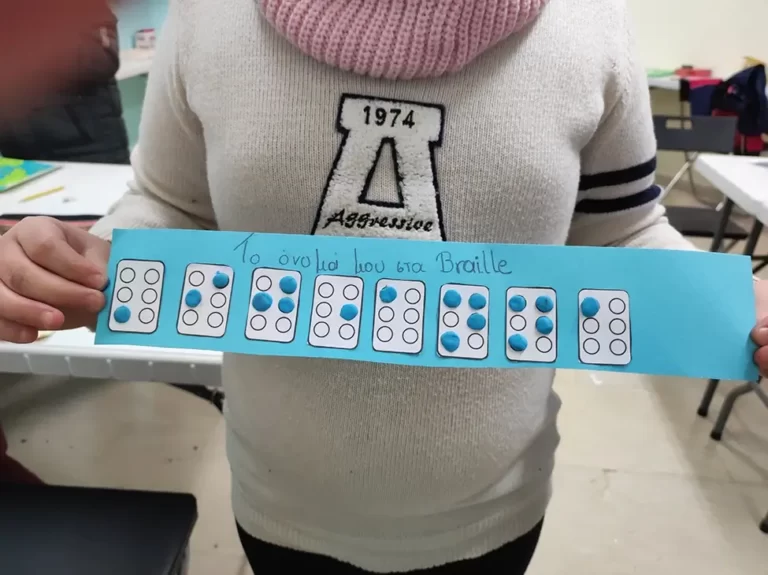
These photos show activities taking place within the Gifted & Mindset Programs. For example, the themes in the ”Space & Human Brain & Spacetime” program included Human Brain, Black Hole, Egg Space Challenge, Pasta Rovers, Dinosaurs and Palaeontology, Natural Disasters, and Climate Change.
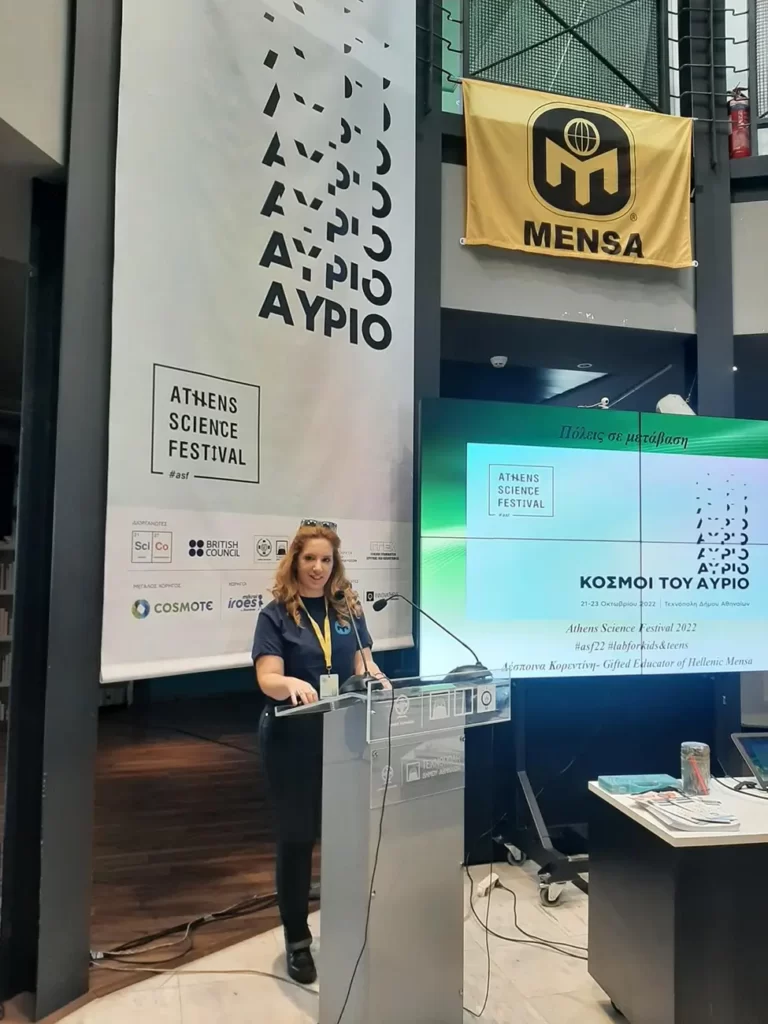
In the last couple of years, Despoina has participated in the Festival of Puzzles & Riddles in Patras, Athens, and Kastellorizo. She has also contributed to the Athens Science Festival with a workshop.
Dora Koutsou
Dora Koutsou is a giftedness educator who teaches “Gifted and Mindset” courses in Thessaloniki, Greece’s second largest city.
The Gifted & Mindset program is based on inquiry and project-based learning, and each course is tailored according to the needs of the gifted students taking part.
Experiential activities are created via thematic axes with the aim of developing cognitive skills (thinking, understanding, cognitive flexibility, memory, language, metacognition) and the basic abilities necessary to achieve healthy social and emotional development, according to the principles of the growth mindset and of the National Association for Gifted Children (NAGC). Some of the thematic axes and questions the students researched during the last year are as follows:
- What do the cycles of nature teach us?
- What is the role of the scientist today?
- What exists outside our own galaxy?
- What is dark matter?
- How has geography shaped world history and culture?
- How does the UN deal with global problems such as global warming?
Last year, Dora and her students also participated in Noesis Steam Land 23, giving a presentation entitled, “Galaxy Explorers: Dark Energy and the Magic of Mathematics”.
The interactive presentation/workshop focused on the following key questions:
- How does mathematics relate to nature, the universe and galaxies?
- How can we create art based on the Fibonacci sequence?
- Can you become a citizen scientist and participate in the largest mapping of the distant galaxies of our universe?
- Are you ready to discover the biggest secrets of the cosmos?
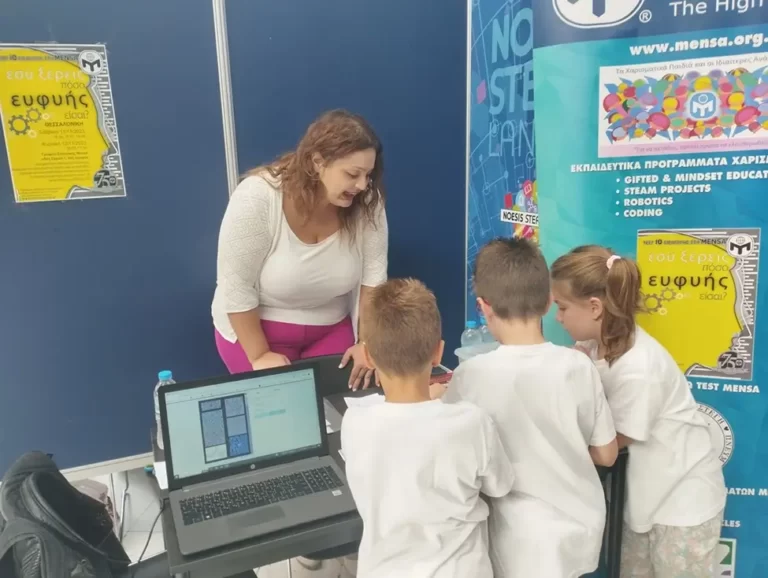
Ioannis Martikos
Ioannis Martikos is a mathematician with degrees from the School of Applied Mathematics and Physics at National Technical University of Athens. She teaches Programming and STEM to the gifted youth of Mensa Greece.
Here are some of the engaging events and activities that Ioannis has organised recently for her talented students:
PHET COLORADO Simulations
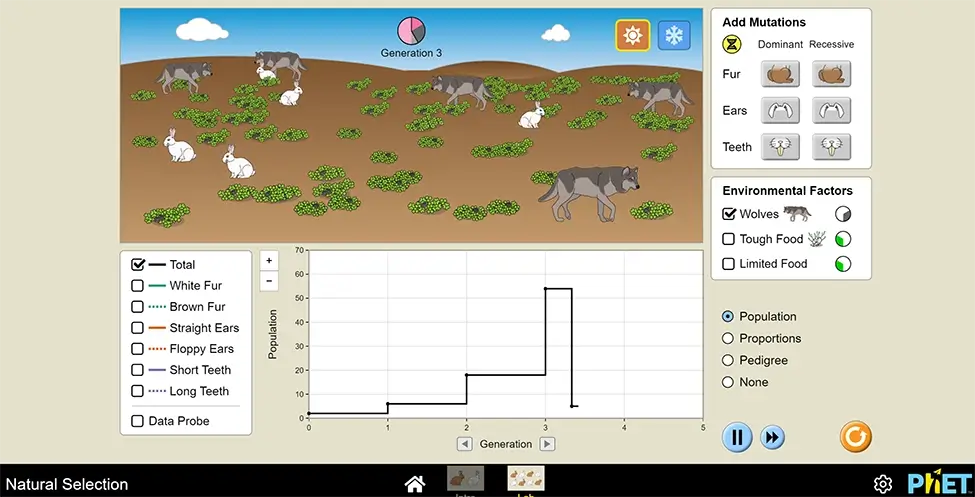
Image 1: Natural Selection Simulation: Biology-themed activity focusing on natural selection.
Description: The Natural Selection simulation allows students to engage in scientific thinking about genes, traits, mutations, and selection agents. Students can compare the distribution of bunnies over time and hypothesise about which traits may be favoured in different conditions.
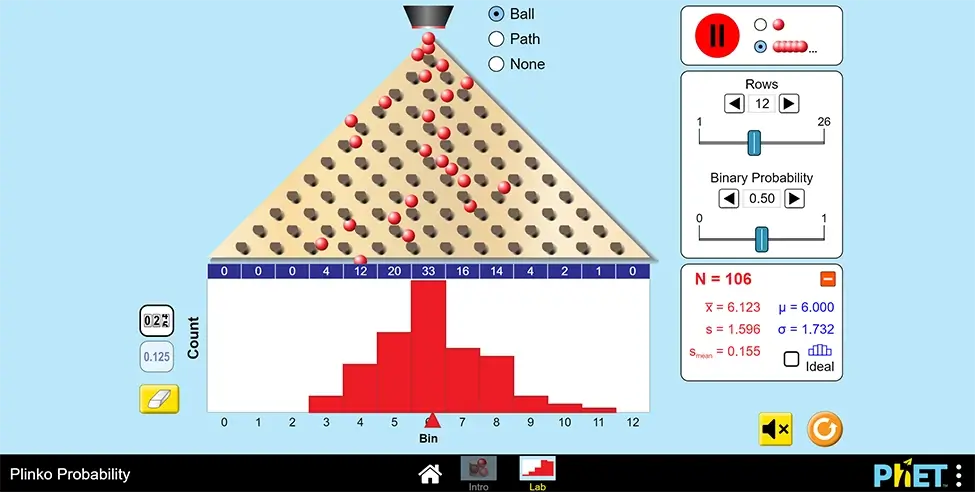
Image 2: Plinko Probability Experiment: Mathematics project exploring probability using Plinko.
Description: In the Intro screen, students can guess which bin a ball will fall into, compare multiple trials, switch between a concrete and abstract representation, and begin to explore binary probability.
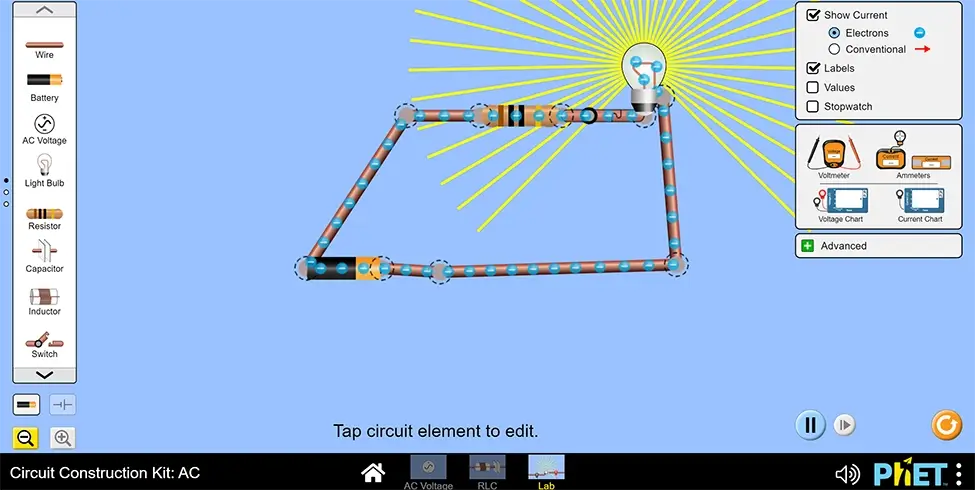
Image 3: Electricity Circuits: Building AC and DC circuits with various components.
Description: Students explore AC and DC circuits with AC sources, batteries, light bulbs, resistors, and switches, understanding the relationship between voltage, current, and resistance.
Click here for more information about Mensa Greece’s gifted youth programs.
NASA's Eyes Project
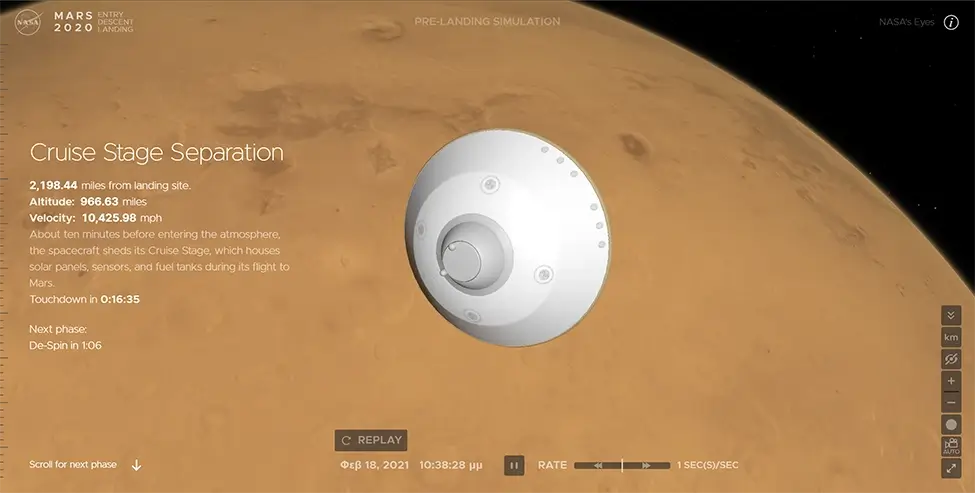
Image 4: Exploration of NASA’s Eyes application.
Description: Students explore real-time data and simulations of missions and discoveries from NASA’s exploration of space. Through interactive visualisations, students can track spacecraft missions, explore planets, moons, asteroids, and exoplanets, and witness groundbreaking discoveries about our universe. With NASA’s Eyes, students engage in immersive experiences that bring the wonders of space exploration to life, fostering curiosity and learning about the cosmos.
Machine Learning and Data Analysis
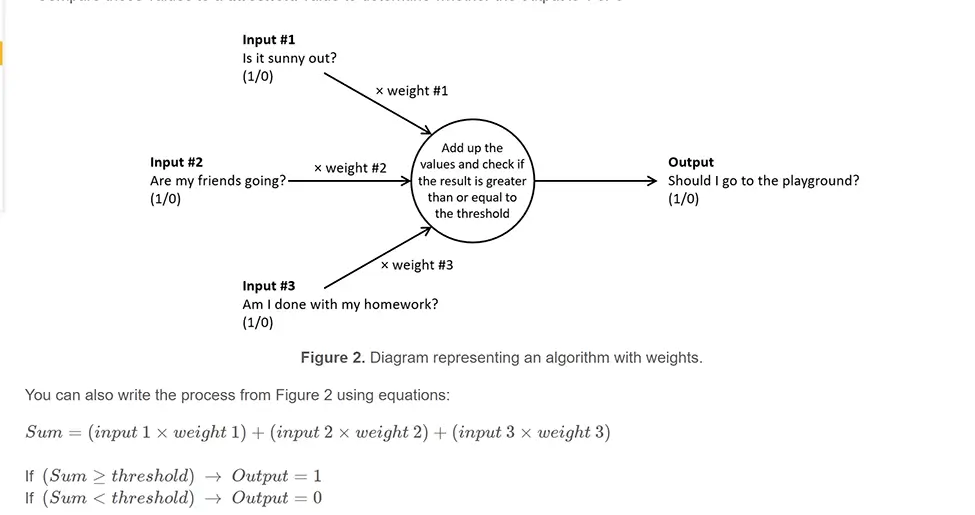
Image 5: Introduction to machine learning and data analysis using Python.
Description: Students aged 6-8 explore the basics of machine learning, discovering how computers can be taught to recognise patterns and make decisions. Through fun and interactive activities, they understand how machines learn from data to solve problems. This project introduces them to the fascinating world of artificial intelligence in a fun and engaging way.
Summer Camp at Stavros Niarchos Cultural Centre (2023)
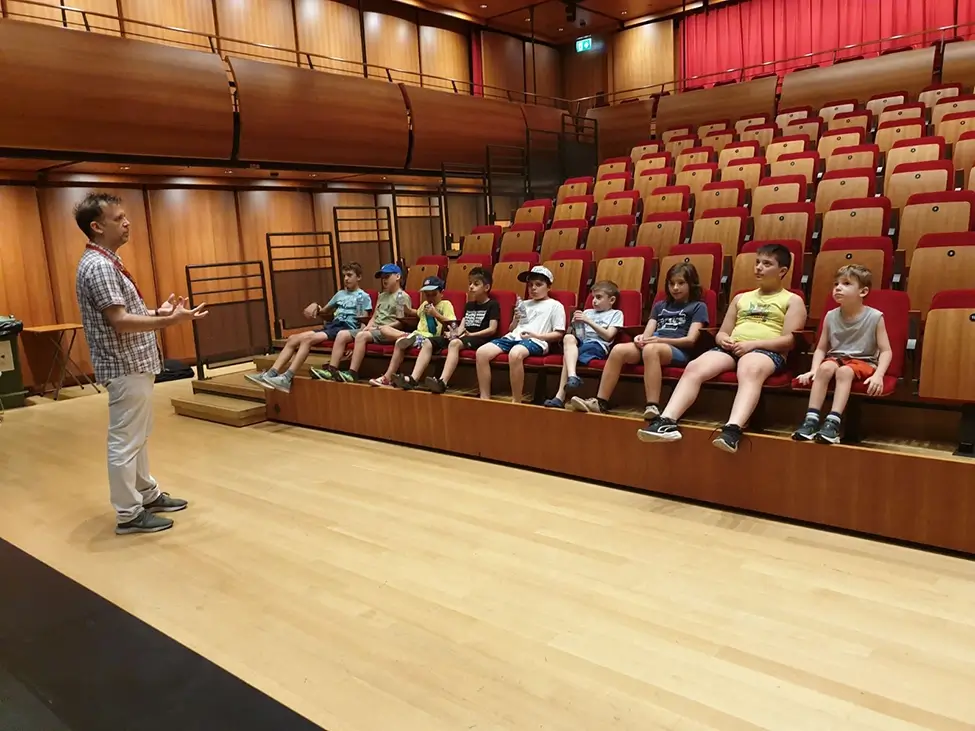
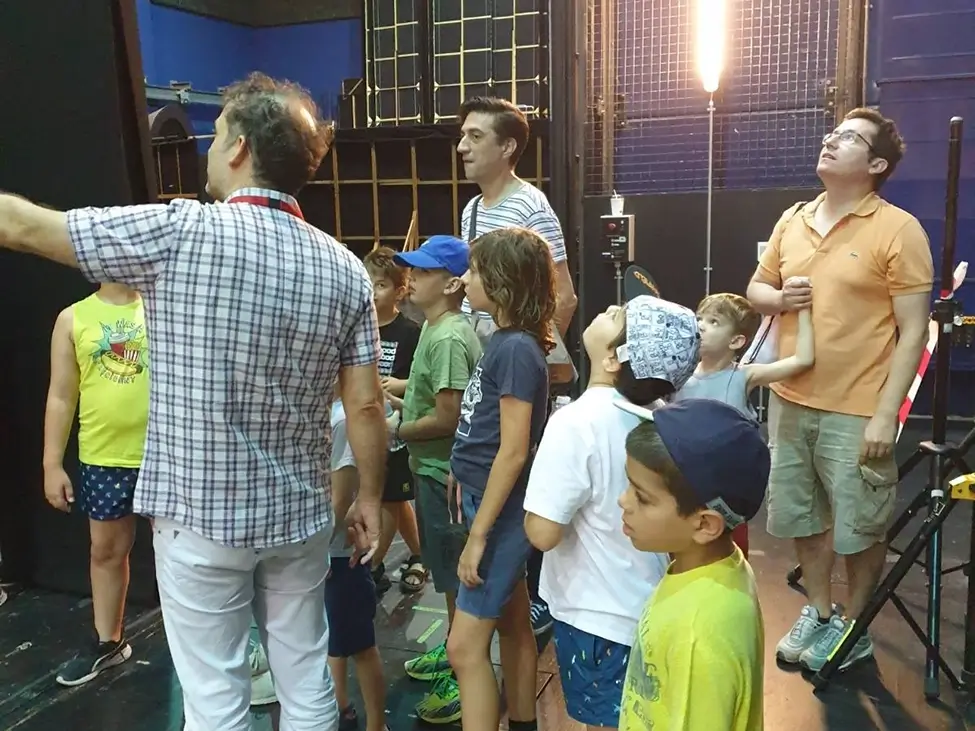
Images 6 & 7: Exploration of the Greek National Opera.
Description: The gifted students who visited the Greek National Opera were given tours both on stage and backstage, where they learned about the technological marvels of modern theatres from experts. At the Greek National Library, they were taught how to search for books using the library’s computers and they participated in activities related to the library’s filing systems.
Mensa India
Mensa India has two flagship gifted youth programs: Mensa Project Dhruv and Tribal Mensa. Project Dhruv is a transformative initiative dedicated to empowering underprivileged gifted children. Providing financial support, educational resources, career guidance, and mentorship, it has changed the lives of countless young scholars.
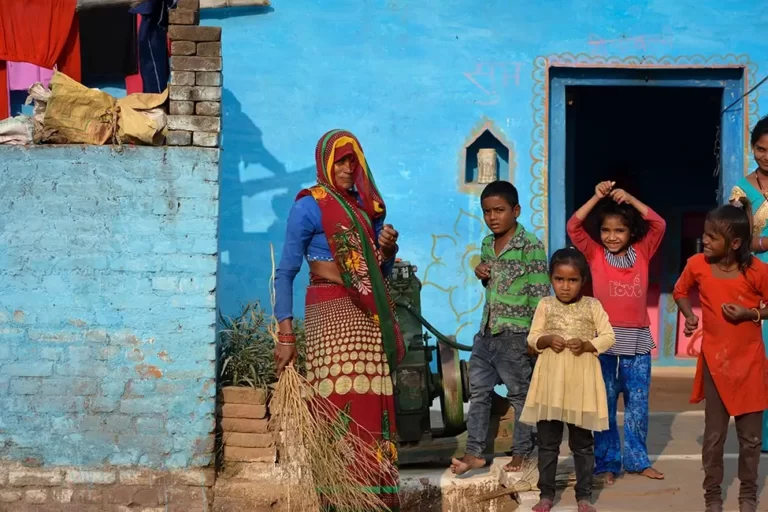
Tribal Mensa focuses on nurturing gifted children in rural India, offering testing, educational kits, holistic development programs, and scholarships. Together, these programs aim to unlock the potential of India’s gifted youth, fostering a brighter future for the students, their families, and their communities.
Mensa Project Dhruv
Project Dhruv is a ground-breaking and inspiring program established by Mensa India to identify and nurture underprivileged gifted children. “Dhruv” means “pole star” in Hindi and Sanskrit.
At Mensa International’s 2019 International Board of Directors (IBD) Meeting in Kuala Lumpur, Malaysia, Project Dhruv President Kishore Asthana gave a presentation in which he shared some heart-warming stories about some of the Project Dhruv scholars he and his colleagues were supporting. Now, five years later, those children are either studying at university or beginning their careers.
Through this inspirational initiative, Project Dhruv has changed the lives of so many underprivileged gifted children for the better, helping them to reach their full potential. Indeed, without this support, it is improbable that these children would have even escaped the cycle of poverty in which their families were trapped.
Kishore describes the positive changes brought about with the help of Project Dhruv:
“It is so wonderful to see these children, who we selected when they were in classes 7 to 9, turn into confident young men and women. The morale and financial condition of their families have changed for the better; and at least in one case the mindset of an entire village has taken a U-turn.”
Specifically, how does Project Dhruv help underprivileged gifted children?
Financial worry is removed from the children and their parents, with stipends provided and financial assistance available when needed. Books are paid for, healthcare expenses are taken care of, and tablets, laptops, and internet connections are provided. A counsellor is available for those seeking support, and English lessons are offered. Extra classes are arranged for those requiring tutorials.
Scholars are taken on excursions to increase exposure and build connections. Team-building, leadership, and motivational exercises are conducted by a professional company. Scholars know they can trust the program to be there for them, regardless of the problem or time of day, fostering a sense of belonging.
Career counselling is provided, and university education is paid for. Preparation for competitive examinations is offered, and senior scholars are encouraged to mentor junior scholars.”
Anjali
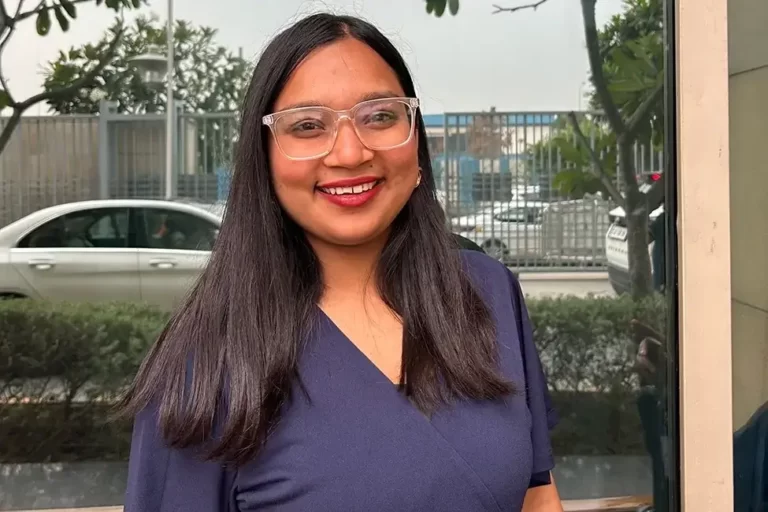
Anjali, whose father is a denter painter at a roadside car garage, grew up in a village where female foeticide was prevalent. However, due to Anjali becoming a Mensa Project Dhruv scholar, and then going on to graduate from university with a BSc (Hons) in mathematics, she has become a female role model. In fact, there has been a remarkable transformation in her village: girls are now seen as an asset rather than as a liability.
Anjali is now a data analyst for IndiGo Airlines. In her free time, she mentors students in mathematics.
Satyam
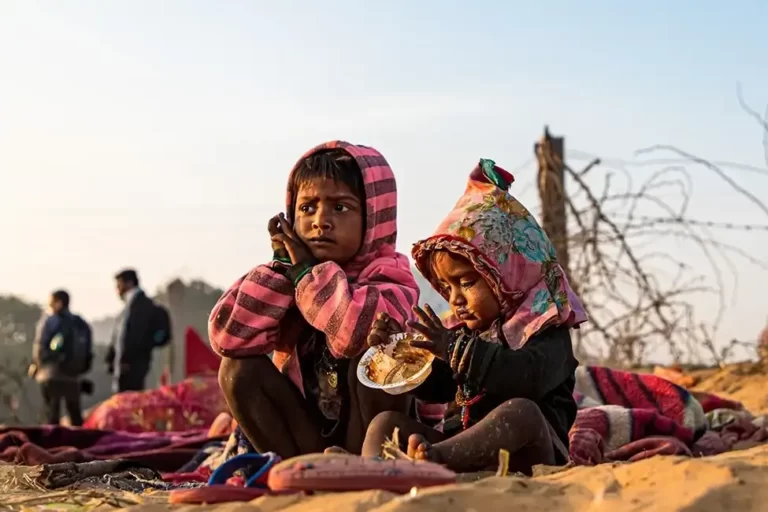
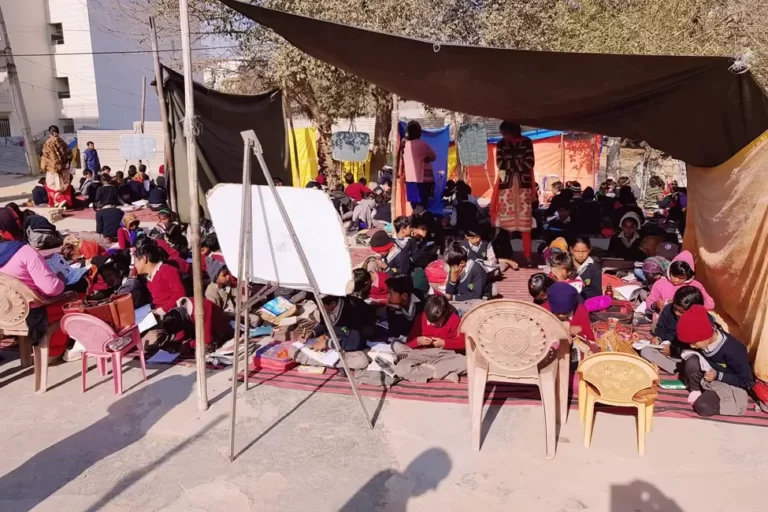
Satyam was tested by Project Dhruv at a school for street children, and his potential was immediately spotted.
Satyam is now in the third year of his BSc (Hons) physics degree at university. He is studying very hard and wants to become an astrophysicist.
Without the help of Mensa Project Dhruv, Satyam may have ended up doing a poorly paid job like his father, who struggles to make a living as a day labourer.


Anjali and Satyam are just two of the scores of children whose lives have been transformed by this remarkable and inspiring Mensa India initiative. Now young adults, they keep in touch with their former teachers, mentors, and classmates. After all, Project Dhruv is like their second family.
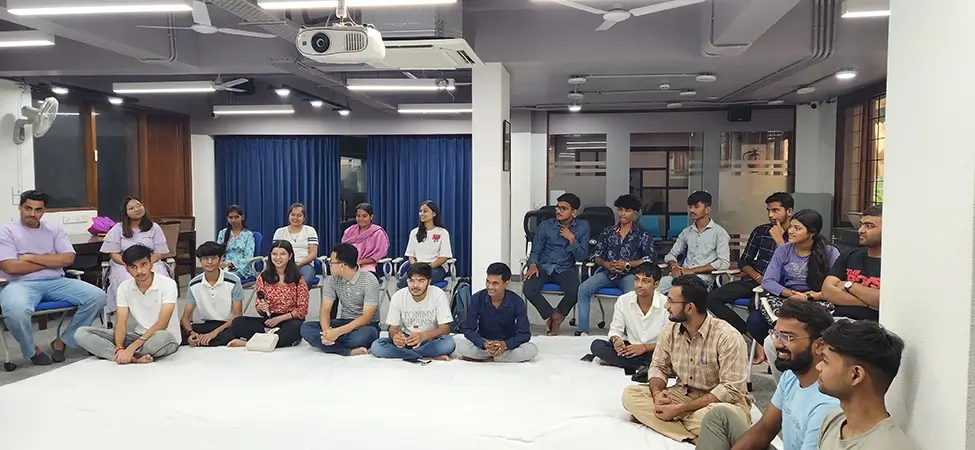
Image of Recent reunion: Anjali is second from the left in the back row; Satyam is far right in the back row.
Find out more: https://www.mensaprojectdhruv.in/
Tribal Mensa
The Tribal Mensa Nurturing Program (TMNP) focuses on identifying and nurturing gifted children among rural populations in India. They aim to move away from a model that overly relies on cities for intellectual development and tap into the potential of rural communities.
Founded by Dr Narayan Desai, the core mission of Tribal Mensa is to make underprivileged gifted children aware of their intelligence, nurture their potential by providing a stable and supportive platform for them to develop, and to foster in them a positive attitude towards life, encouraging them to follow their dreams, fulfil their potential and contribute positively to society.
Tribal Mensa’s dream is to be able to identify, nurture, and empower every underprivileged gifted child in India, ensuring that every one of them has a chance to fulfil their true potential.
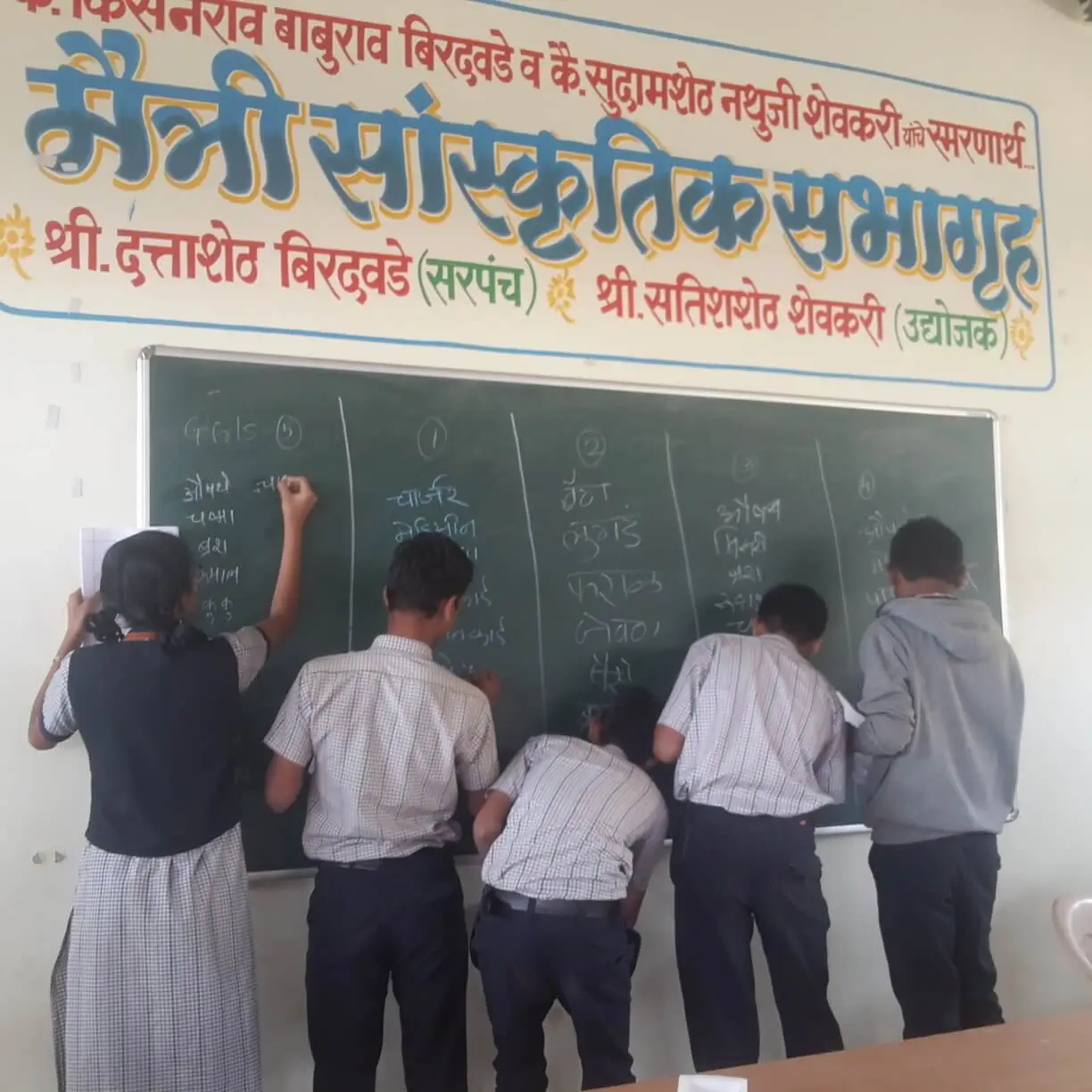
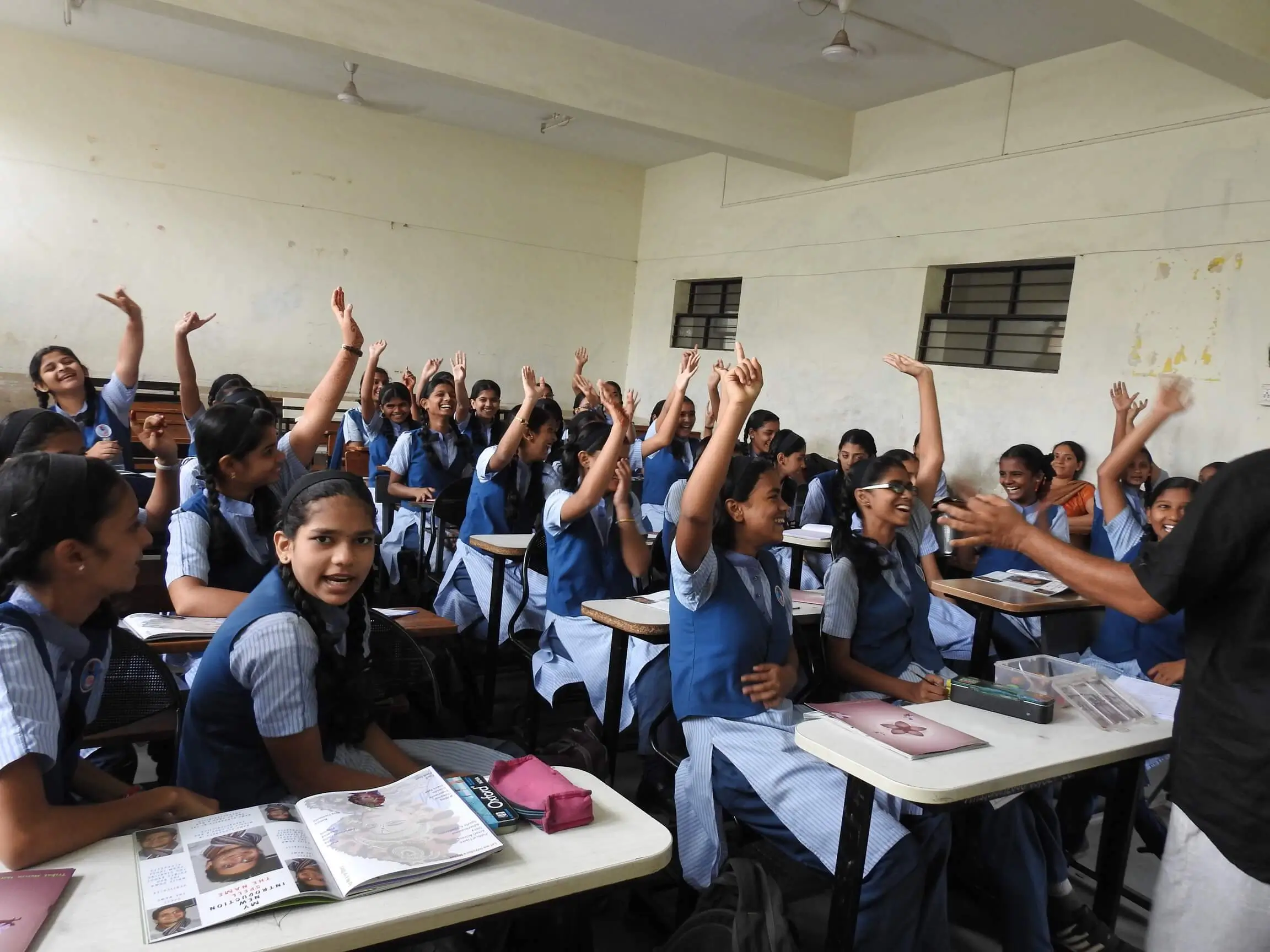
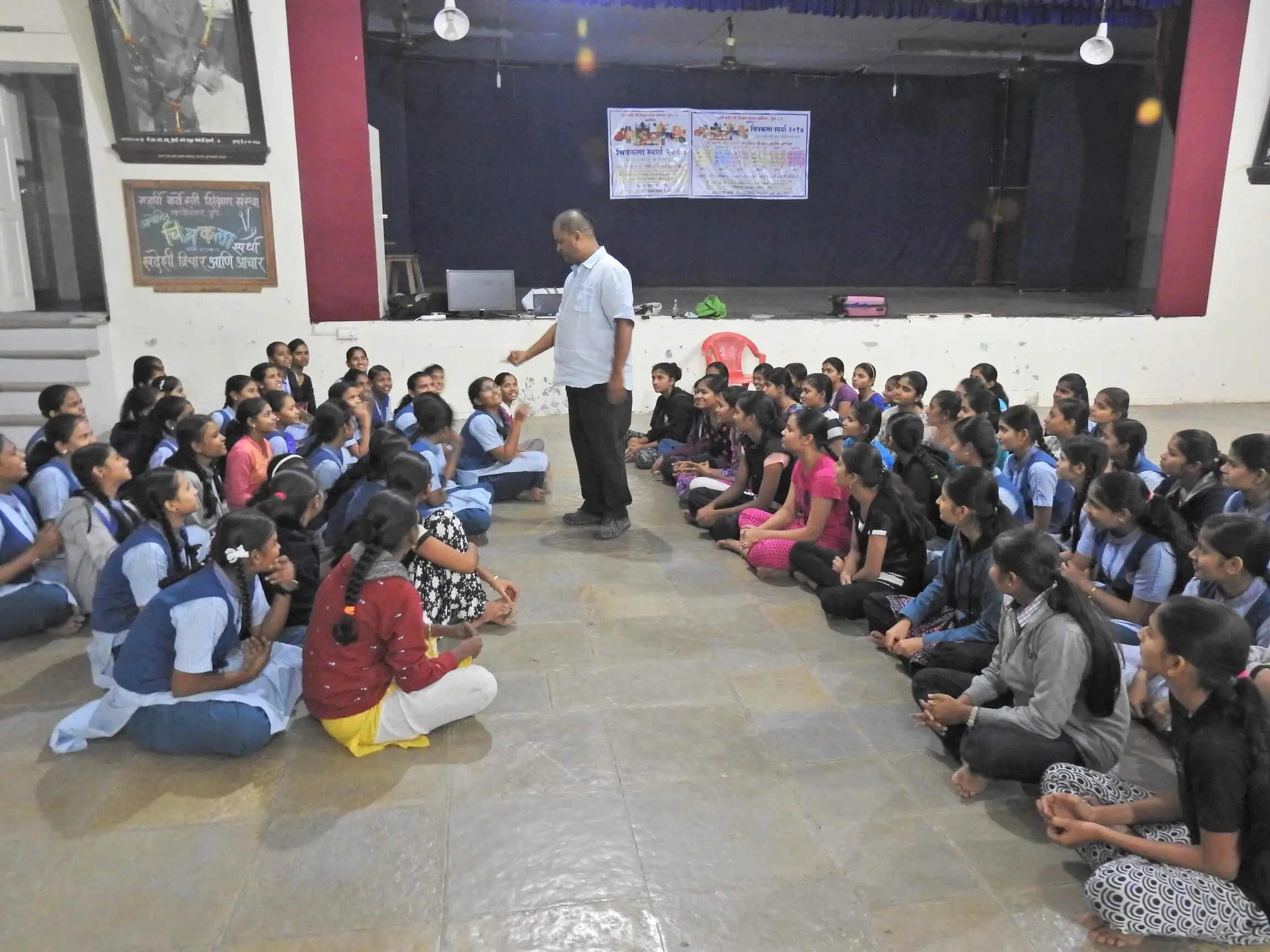
How does Tribal Mensa help poor gifted children?
- Over a period of 20 years, TMNP has screened over 50,000 students and identified 4,500+ gifted children from 6 states in India.
- The initiative conducts tests to identify gifted children and then provides nurturing activities, including a “Nurturing Kit” with challenging books and games.
- They follow the ‘Pancha Kosha’ Model of Human Development for holistic growth, which includes activities like the Bal Yogesh Project for basic yoga and the Bal Mitra Upasak Project for mental and spiritual exercises.
- Individual counselling and teacher training programs are also provided to ensure each child receives the support they need.
- Scholarships are offered to students after completing school to pursue further education, aiming to create future leaders among tribal youth.